
Why Hire Alan Natalie for Your Case
- Years of Litigation Experience
- Extensive Recognition & Awards
- Exceptional Client Reviews
- Honest Representation & Available 24/7
A Probate Litigation Attorney in Erie, PA, Provides Comprehensive Assistance for the Demands of Both Routine Procedures and Contested Wills

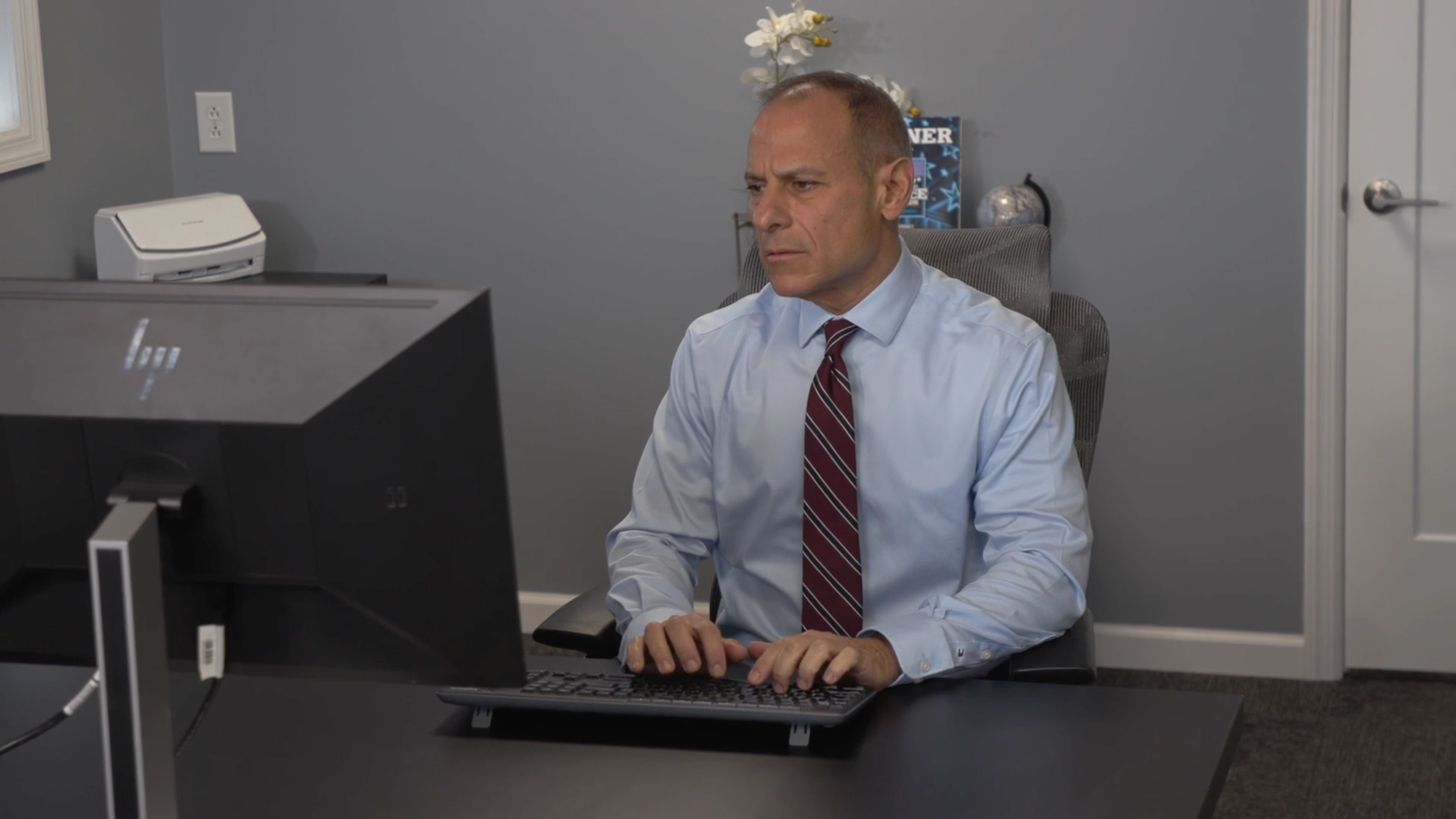
For families facing probate, the legal process of validating a will and carrying out its terms, having to balance these demands while coping with the loss of a loved one can be overwhelming. The support of an Erie County probate lawyer during this difficult time can be crucial for navigating these obligations with confidence and efficiency.
Alan Natalie, Attorney At Law, assists executors of wills, administrators of intestate estates, and families throughout Erie County and Northwestern Pennsylvania in making the probate process as streamlined and straightforward as possible. The demands of probate can place significant burdens on surviving family members at a time when they’re already experiencing intense grief, but compassionate legal support can make this difficult situation more manageable. Contact the firm for a free consultation to see how Attorney Alan Natalie’s assistance can help you.
When life’s legal challenges require experienced advocacy, clients turn to attorney Alan Natalie.
Understanding the Probate Process in Pennsylvania
After a person passes away, their property isn’t informally divided up between loved ones. In many cases, the deceased individual’s estate will go through probate.
Probate is the legal process through which:
- The decedent’s will is validated
- All estate assets are identified
- Any outstanding obligations are satisfied
- Finally, the remaining property is distributed to heirs or beneficiaries
Probate serves an important public and legal function, but it can also pose a significant burden, especially for families who are already grieving. During the probate process, executors and personal representatives are tasked with numerous responsibilities, time-sensitive filings, and strict compliance with Pennsylvania probate laws. Even seemingly straightforward estates can involve complicated legal and financial considerations.
The steps involved in administering an estate in Pennsylvania are highly regulated and must be completed according to statutory procedures. Though each estate is unique, the probate process typically includes the following stages:
1. Filing the Petition for Probate
Probate begins when the personal representative, often named in the will, files a petition with the Register of Wills in the county where the decedent resided. In Erie County, this means filing with the Erie County Register of Wills.
The petition asks the court to recognize the validity of the will and officially appoint the executor or administrator. An experienced Erie County probate lawyer can help ensure that all required documents, certifications, and supporting materials are properly prepared and submitted.
2. Providing Notice to Heirs and Beneficiaries
Pennsylvania law requires that notice be provided to all beneficiaries named in the will, along with any potential heirs who may have a legal interest in the estate. This step is crucial for ensuring transparency and preventing claims of improper administration. The personal representative must also notify known creditors of the estate.
A probate litigation attorney in Erie, PA, can assist in complying with notice obligations and help prevent beneficiary disputes and inheritance disputes arising from communication errors or omissions.
3. Inventorying Estate Assets
One of the central duties of the personal representative is compiling a detailed inventory of all estate assets. This includes:
- Real estate
- Personal property
- Financial accounts
- Business interests
- Investments
- Other items of value
Determining the fair market value of these assets may require appraisals or professional evaluations. The completed inventory must be filed with the court by a designated deadline.
Because financial inaccuracies can lead to delays or legal challenges, many personal representatives rely on the guidance of an attorney to ensure accuracy and compliance.
4. Paying Debts, Taxes, and Administrative Expenses
Before any distributions can be made to beneficiaries, the estate must satisfy all outstanding obligations. This includes:
- Medical bills
- Credit card debt
- Funeral expenses
- Other liabilities
Pennsylvania law also requires the payment of state inheritance tax and any applicable federal estate tax. Administrative expenses, such as court costs, appraisal fees, and attorney fees, must also be managed.
A skilled attorney can help navigate these financial responsibilities, minimize potential tax burdens, and ensure all payments are documented and legally compliant.
5. Distributing Remaining Assets
Once debts and expenses have been paid and the required tax returns have been submitted, the personal representative may distribute the remaining assets to beneficiaries.
- If the decedent left a valid will, assets are distributed according to the terms of the document.
- If there is no will, Pennsylvania’s intestacy laws determine how property is divided.
Disputes sometimes arise during this phase, particularly when beneficiaries disagree on valuations, entitlements, or the interpretation of the will. In such situations, the support of a knowledgeable probate litigation attorney in Erie, PA, can help protect the estate’s integrity and resolve conflicts efficiently.
In Pennsylvania, the probate process often includes court oversight, mandatory notifications, appraisals, debt settlement, tax filings, and potential disputes among beneficiaries. These demands make trusted legal guidance invaluable.
Probate in Erie County, PA: What to Expect in Court
Probate matters in Erie County are overseen by the Erie County Register of Wills and the Orphans’ Court Division. While many uncontested estates require minimal in-person court appearances, more complex estates or those involving disputes may require hearings. The Orphans’ Court handles issues such as:
- Will contests
- Disputes among heirs
- Challenges to executor conduct
- Guardianship of minors
- Other matters requiring judicial oversight
Navigating Erie County’s probate system requires careful attention to deadlines, local procedures, and court expectations. Missing a filing requirement or failing to follow proper protocol can lead to delays, additional costs, or legal exposure.
Working with an established Erie County probate lawyer helps personal representatives understand their obligations and move the estate through the local court system as smoothly as possible.
The Burdens Placed on Executors and Loved Ones
Executors often accept their role out of loyalty to the deceased, but few are prepared for the responsibility that follows. Personal representatives must manage complex tasks such as safeguarding property, communicating with beneficiaries, handling creditor claims, and preparing tax filings. These duties must be performed accurately, often within strict statutory deadlines. Meanwhile, surviving loved ones are coping with emotional loss, making the process even more overwhelming.
Even small mistakes can expose the executor to personal liability. For this reason, many choose to work with a qualified Erie County probate lawyer who can help carry the administrative load and ensure compliance with Pennsylvania law.
The probate process in Pennsylvania can take several months or potentially more than a year, depending on the size of the estate, the nature of the assets, tax considerations, and whether disputes occur. With professional guidance, personal representatives can significantly reduce stress and ensure the estate is administered properly.
How an Attorney Can Help Personal Representatives
Retaining a probate attorney offers several key advantages for executors, administrators, and beneficiaries. An experienced legal advocate can:
- Ensure that all filings, notices, and reports meet Pennsylvania legal requirements
- Prevent costly delays by anticipating and addressing administrative issues
- Accurately value and document estate property
- Manage creditor claims and negotiate disputed debts
- Prepare and file required tax documents
- Reduce the risk of legal challenges
- Guide personal representatives through each stage of the probate process
- Handle disputes among heirs with professionalism and objectivity
When disagreements arise over the interpretation of a will, handling of estate assets, or conduct of the executor, a seasoned attorney in Erie, PA, can represent the personal representative’s interests in court and help bring the matter to a resolution.
Probate Litigation: When Court Becomes Necessary
While many estates in Pennsylvania proceed through the probate process without conflict, some require court intervention when disputes arise or when individuals fail to meet their legal obligations. Probate litigation encompasses a wide range of issues, including:
- Challenges to the validity of a will
- Allegations of fiduciary misconduct
- Disputes over asset ownership
- Improper beneficiary changes
- Situations where estate property is concealed or mismanaged
When these problems emerge, the estate cannot be fully administered without court action, and the personal representative must be prepared to enforce the decedent’s wishes through legal channels.
Probate litigation often arises when:
- Beneficiaries disagree on how assets should be handled
- An executor fails to carry out responsibilities
- Third parties interfere with estate property
One type of case that frequently requires litigation occurs when assets are hidden, withheld, or sold without authorization.
An Example of Probate Litigation From Attorney Natalie’s Case Results
In a past matter handled by Attorney Natalie, for example, an estate valued at well over a million dollars became the subject of estate litigation when a beneficiary removed substantial amounts of farm equipment and livestock, concealed additional property, and even began selling and breeding animals without notifying the estate. These actions made it impossible to inventory and appraise the assets properly and interfered with the estate’s ability to pay necessary bills, taxes, and fees.
When negotiations failed, the matter had to be taken to court to compel cooperation and protect the estate. Situations like this underscore how quickly a seemingly straightforward probate matter can escalate into litigation. While many law firms that handle estate administration often need to bring in outside support to manage litigation, that isn’t the case when you choose Alan Natalie, Attorney at Law, an experienced probate litigation attorney in Erie, PA.
What Probate Litigation Entails
Once litigation becomes necessary, the estate enters a more complex phase of administration. This may involve filing petitions with the Orphans’ Court, requesting court orders for the return of estate assets, pursuing accountings, contesting improper transfers, or defending the validity of the will. Formal hearings, evidence gathering, witness testimony, and negotiations are often part of the process.
Because litigation can significantly affect the timeline and outcome of the estate, the personal representative must work with a professional who understands both the legal framework and the practical realities of contested estate matters. Many attorneys rarely, if ever, step into probate court, and some avoid contested estates entirely.
Why Litigation Experience Matters in Probate Cases
When probate issues turn contentious, the attorney guiding the estate must have significant litigation experience to protect the decedent’s wishes and safeguard assets. Contested matters often involve high-stakes questions about property rights, fiduciary duties, and financial accountability. An attorney with courtroom experience can intervene swiftly, file the appropriate motions, compel the release or return of assets, and resolve disputes efficiently. Without this skill set, estates can stall for months, lose significant value, or expose the executor to unnecessary liability.
Litigation experience can even help prevent disputes before they escalate. A lawyer who understands how contested issues unfold can identify early warning signs, such as uncooperative beneficiaries, missing property, or irregular financial activity, and advise the personal representative on proactive steps to protect the estate.
How Alan Natalie, Attorney At Law Can Help
Alan Natalie, Attorney At Law assists clients throughout Erie County with all aspects of probate and estate administration. With decades of experience guiding families through Pennsylvania’s probate courts, the firm provides skilled representation, practical guidance, and compassionate support during a challenging time. Whether assisting with routine filings or addressing complex disputes, the firm works to protect the estate’s interests while easing the burden on grieving families.
As an experienced Erie County probate lawyer, Attorney Natalie provides comprehensive assistance with filing the petition for probate, satisfying notice requirements, preparing inventories, managing debts and taxes, resolving beneficiary issues, and completing final distributions. The firm also represents personal representatives in contested matters to safeguard the wishes of the decedent and uphold Pennsylvania law.
Why Choose Alan Natalie, Attorney At Law
Choosing the right attorney is critical when handling probate responsibilities. Alan Natalie, Attorney At Law stands out for experience, local knowledge, individualized service, and a strong commitment to guiding clients through every stage of probate with clarity and confidence.
Extensive Estate Law and Litigation Experience
With decades of hands-on probate work and one of the region’s few practitioners who regularly handles will contests, fiduciary misconduct cases, and POA abuse, the firm brings unmatched depth to both routine and contested estate matters.
Proven Courtroom Success on Novel Issues
Published wins in local legal journals and precedent-setting results demonstrate the firm’s ability to navigate complex and evolving areas of estate and guardianship law.
Powered by Decades of Trial Work
Long-standing trial experience, including service as a part-time public defender, equips the firm with the litigation skills and courtroom composure needed to resolve challenging estate disputes when they arise.
Contact an Erie County Probate Lawyer at Alan Natalie, Attorney At Law Today for a Free Consultation
Facing the probate process alone increases the risk of delays, procedural mistakes, and potentially even personal liability. Executors, administrators, and personal representatives benefit from guidance throughout every stage of the process. For a free consultation, contact Alan Natalie, Attorney At Law online or call 814-622-4511 today.